This Storm‑Readiness Guide explains how Central Florida homeowners can prepare their roofs for storm season, reduce seasonal risks, strengthen community resilience, and support smoother insurance outcomes. It covers storm‑readiness fundamentals, seasonal roof risks, how insurers evaluate storm damage, and why preparation matters in Longwood, Orlando, and surrounding areas. The guide includes a detailed FAQ section and important info on storm readiness for Central Florida homeowners.
Storm‑Readiness Guide for Central Florida Homeowners
Central Florida’s weather patterns shift quickly, especially during late summer and early fall. Homeowners in Longwood, Orlando, and nearby Central Florida communities face a unique combination of heat, humidity, wind exposure, and sudden storm activity.
This Storm‑Readiness Guide from John Keller Roofing helps families understand the risks, prepare early, and protect their homes before severe weather arrives.
Why Storm‑Readiness Matters in Central Florida
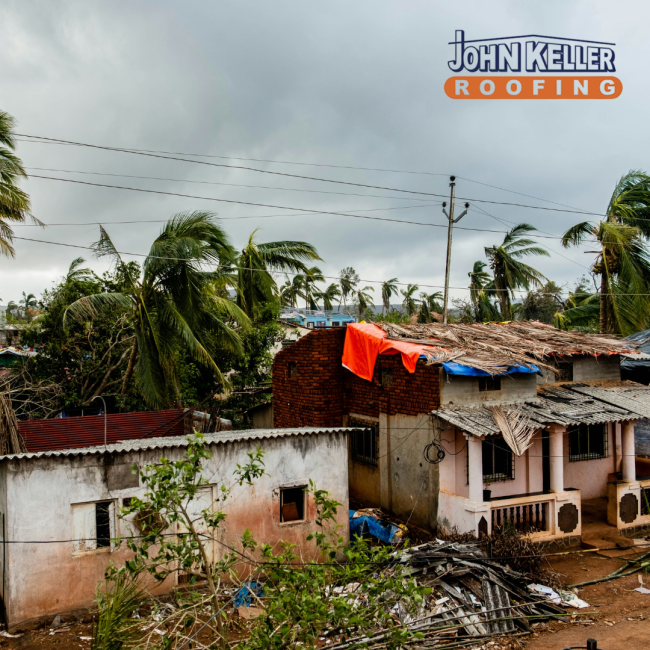
Central Florida experiences intense heat, sudden thunderstorms, tropical systems, and seasonal wind bursts. These conditions create stress points on roofs that often go unnoticed until a major storm exposes them.
Storm‑readiness also supports long‑term home value. When roofs are maintained and documented, homeowners reduce the likelihood of sudden failures, emergency repairs, and insurance complications. This preparation strengthens both individual homes and the broader community.
Storm‑Readiness & Seasonal Roof Risks in Florida
Florida’s climate creates several predictable roof risks that intensify during late summer and early fall. Understanding these risks helps homeowners stay proactive and prepared.
- Heat‑Driven Expansion
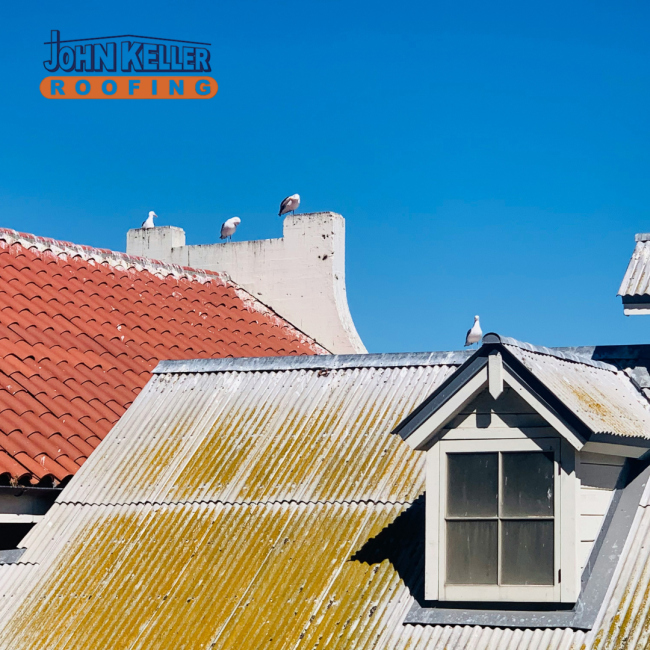
- High temperatures cause roofing materials to expand and contract, creating stress points that weaken over time and become more vulnerable during high‑wind events.
- Moisture Intrusion
- Humidity and heavy rainfall accelerate moisture penetration, especially in areas already weakened by heat or age, leading to hidden deterioration that spreads quickly once storms arrive.
How Insurance Companies Evaluate Roof Damage
Insurance companies rely heavily on documentation, timing, and clarity when evaluating roof damage. Homeowners who prepare early often experience smoother claims and faster approvals. Insurers typically look for:
- Clear, date‑stamped photos showing pre‑storm roof conditions
- These photos help verify that damage occurred due to a specific weather event rather than long‑term wear, reducing disputes and speeding up claim approval.
- Evidence of maintenance or storm‑readiness steps taken before damage occurred
- Insurers want proof that homeowners acted responsibly, and documented preparation supports faster processing and stronger claim outcomes.
Community Preparedness Starts at Home
Community preparedness begins with each home taking proactive steps. When one home is secure, it reduces the risk of debris, structural failures, and emergency calls that affect the entire area.
How Storm‑Readiness Supports Long‑Term Home Protection
Homeowners who take storm‑readiness seriously often experience fewer disruptions, lower repair costs, and greater peace of mind.
Why Experience Matters During Storm Season
Experience ensures that storm‑readiness recommendations are accurate, practical, and tailored to the unique challenges of Central Florida homes.
Book a Meeting!
Storm season moves fast — and preparation matters. Contact John Keller Roofing today for a no-cost estimate to protect your home before the next weather shift.
Our Customer Stories
Central Florida’s Trusted Name In Storm‑Readiness Roofing
- (407) 332-0345
- 1228 Bella Vista Circle, Longwood, FL 32779
-
Mon-FRI: 7:30am-5:00pm
Sat: 9 AM–12 PM
FAQ
What does storm‑readiness mean for a roof?
Storm‑readiness means preparing your roof ahead of seasonal weather by documenting its condition, reinforcing vulnerable areas, and addressing early signs of deterioration so storms cannot exploit weak points.
Why do Central Florida roofs face higher storm‑season stress?
Central Florida’s rapid temperature swings, high humidity, and intense heat accelerate material fatigue, making roofs more vulnerable when strong winds and heavy rainfall arrive.
What early signs show a roof may struggle during storm season?
Early signs include subtle lifting, minor warping, moisture marks, or shifting components that often worsen quickly once storms begin.
Why is pre‑storm documentation important for insurance?
Insurers rely on date‑stamped photos and written notes to confirm your roof’s condition before the storm, helping validate storm‑related damage and reducing claim disputes.
What storm damage is most common in Longwood and Orlando?
The most common issues include wind‑driven lifting, moisture intrusion from heavy rainfall, and heat‑related expansion damage that weakens vulnerable areas.
How does storm‑readiness reduce emergency repair needs?
Prepared roofs have fewer structural weak points, meaning storms are less likely to cause sudden failures that require urgent, high‑cost repairs.
How does humidity contribute to storm‑season roof damage?
Humidity accelerates moisture penetration into vulnerable areas, and once moisture enters, deterioration spreads rapidly and often remains hidden until storms intensify the damage.
How does storm‑readiness help with insurance approval speed?
Insurers process claims faster when homeowners provide clear documentation, pre‑storm photos, and evidence of proactive preparation, reducing delays and complications.
Why is community storm‑readiness important?
When homes are prepared, neighborhoods experience fewer emergencies, less debris, and faster recovery after storms, strengthening overall community resilience.
What seasonal roof risks should homeowners expect?
Homeowners should expect heat‑driven expansion, moisture intrusion, and wind‑stress damage, all of which intensify during late summer and early fall.
How does storm‑readiness protect long‑term home value?
Prepared roofs experience fewer emergencies, maintain stronger structural stability, and reduce long‑term repair costs, helping preserve home value.
Why is roofing experience essential during storm season?
Experienced roofers understand local weather patterns and can identify early signs of storm‑season stress that homeowners often miss, providing accurate, region‑specific guidance.